TLS/SSL
Certificate hostname mismatch, self-signed, untrusted: what each means
Three different certificate warnings, three different causes. Knowing which one you have is the difference between a five-minute fix and chasing the wrong problem.
Tag
Three different certificate warnings, three different causes. Knowing which one you have is the difference between a five-minute fix and chasing the wrong problem.
An expired certificate does not degrade quietly — it slams up a full-page browser warning that stops visitors cold. The fix is to stop renewing by hand and automate it.
If your private key is ever stolen, forward secrecy decides whether attackers can read only future traffic or every conversation you have ever had. Here is how it works.

Your site has a padlock and HTTPS works fine — so why does the scan flag a weak cipher? Because 'the connection succeeded' and 'the connection was strong' are not the same thing.
TLS 1.0 and 1.1 were retired years ago, but plenty of hosts still accept them. Leaving them on is a quiet liability — here is what to support instead.

The padlock only means encrypted, not strong. Real TLS security depends on three things: which protocols you accept, which ciphers you offer, and your certificate's health.
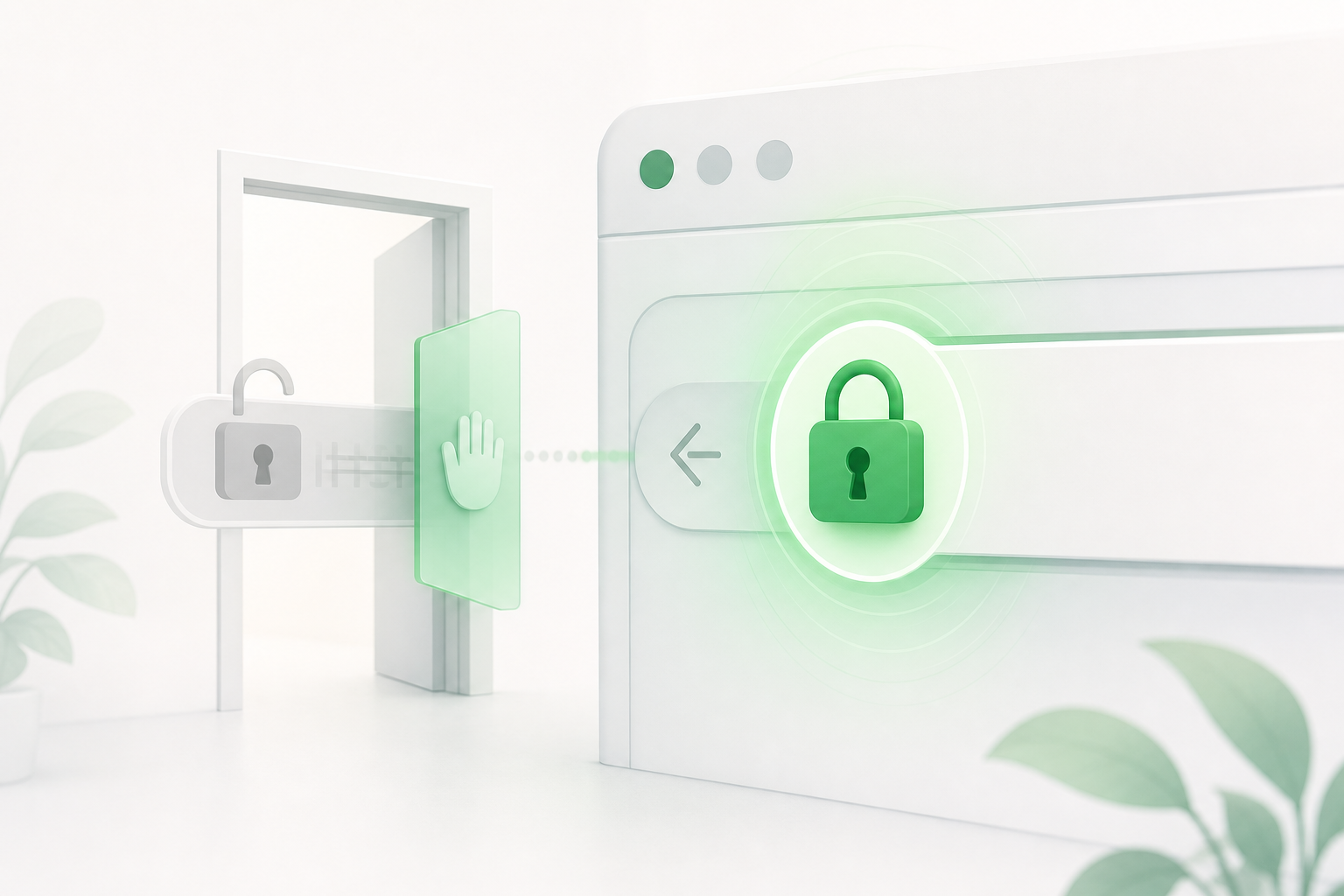
You have HTTPS — but the first plain-HTTP request is still a weak point. HSTS closes it by telling the browser to never speak HTTP to your site again.